Each bottle in this collection tells a story, capturing a moment in history that Van Zellers & Co will never repeat.
The collection includes:
Crafted by Liberty
Celebrating the year Abraham Lincoln was elected the 16th president of the United States in 1860
Crafted by Family
Marking the marriage of Cristiano’s great-great-grandparents in 1870
Crafted by Poetry
Commemorating the birth of the illustrious poet Fernando Pessoa in 1888
Through Liberty, we have chosen them. Through Family, we have cared for them. Through Poetry, we share them.
To enhance the 19th-century experience, we collaborated with Vista Alegre Atlantis, founded in 1824, renowned for superior quality crystal and porcelain. Their hand-blown decanter, designed exclusively for the Van Zellers & Co XIX The Rare Port Collection, complements the set beautifully.
Included in the collection are three silver necklaces from Leitão & Irmão, official jewelers to the Portuguese crown since the 19th century. These necklaces adorn the crystal decanter and distinguish each wine, holding the secret behind the story of each Very, Very Old Tawny Port.
Regenerative viticulture is a sustainable agricultural approach that focuses on continuously improving the soil and promoting biodiversity to create high-quality wines while protecting the environment. Historically, wine farming has been associated with intensive practices that can deplete the soil and harm local ecosystems. Regenerative viticulture seeks to reverse this impact by adopting methods that promote biological diversity and a healthy soil.
Improving the Soil in the Vineyard and the Environment
The classic example is in Bordeaux where the two magnificent Rothschild properties, Chateau Lafite and Chateau MoutonRothschild, although sometimes only a few yards apart, have two entirely different styles. The former has perfect poise or balance, and extreme elegance and may be considered the benchmark of the finest claret. Perfect poise and extreme elegance could well describe Baron Eric de Rothschild, who was the family member responsible for this chateau for forty years. Eric absolutely personifies Lafite, as I am sure that his charming daughter, Saskia will future years.
Good Practices from Van Zellers & Co.
At Van Zellers & Co. we have adopted various regenerative viticulture practices to promote sustainability in our old vineyards.
We use a rotation system of different kinds of legume and brassicas that improves soil fertility and reduces dependence on chemical fertilisers. These cover crops are sown at specific times in the growing cycle to maximise the benefits for the soil. These plants fulfil specific functions, from fixing atmospheric nitrogen to decompressing the soil and protecting it from pests and diseases. Legumes and brassicas are left in the soil after mowing, providing organic matter and protecting it from erosion and nutrient loss.
Another important practice is the use of nitrogen-fixing bacteria, which are sprayed on the plants to promote soil health and reduce the need for nitrogen fertilisers. In addition, a horse will do the ploughing of the soil in the middle of the vineyards to bury organic matter and control weeds, thus minimising the use of herbicides.
BEFOREAFTER
Benefits for the environment
By adopting these practices, we increase the biodiversity of our vineyards, allowing the soil to fulfil its cycle and regenerate naturally. At the same time, we contribute to carbon retention and oxygen production, while increasing water retention in the soil. We also foster the microbiological life of the soil, creating and protecting insects, birds, and mammals, which are essential for ecological balance.
In short, at Van Zellers & Co. we produce high-quality wines and contribute to the creation and protection of life in our vineyards, thus promoting a healthier and more sustainable environment.
Have you ever wondered what sort of person actually created the wine you have in your glass right now? Was she fragrant and beautiful? Was he robust and giving? Were they husband and wife?
The same with Chefs. A lean chef will more likely offer discerning food for serious diners; a rotund chef will smilingly please the hungry hordes.
The wonderful thing about wines produced by families rather than by corporates, is that there genuinely does seem to be a relationship between the creator and his or her wine.
The classic example is in Bordeaux where the two magnificent Rothschild properties, Chateau Lafite and Chateau MoutonRothschild, although sometimes only a few yards apart, have two entirely different styles. The former has perfect poise or balance, and extreme elegance and may be considered the benchmark of the finest claret. Perfect poise and extreme elegance could well describe Baron Eric de Rothschild, who was the family member responsible for this chateau for forty years. Eric absolutely personifies Lafite, as I am sure that his charming daughter, Saskia will future years.
Chateau Mouton Rothschild’s chatelaine for around the same time was the ex-actress and extrovert Baroness Philippine de Rothschild. Philippine went through life at full throttle. Guess what. Mouton’s wines are clearly more outgoing and fulsome.
At the beginning of the explosion of high alcohol strength Napa cabernet wines in California at the end of the last century, we all wondered why. We knew that Robert Parker liked these highoctane wines, but it was a chicken and egg situation. Did the producers bow to Parker’s points or did Parker encourage this trait amongst the new fraternity of vineyard owners?
A wise PR man in Napa put me right. This new swarm of high-end Napa vineyard owners had mostly made their dosh by selling their computer/construction companies to fund their dream of owning a vineyard. Apart from enjoying a nice warm climate, they also enjoyed strong martinis, luxury whiskies and gins. High strength meant better.
As it was with their wines. They wanted their wines to push through the 14.5% barrier and higher. A noble aspiration, but not for me. Normal service is now being resumed
In the Douro Valley in Northern Portugal, the majestic home of port, multiple characters have abounded for centuries, each shaping the trade and style of wines they loved.
The most recent classic examples surely include the owner of Taylor’s port, the debonair ex Scots guardsman, Alistair Robertson. Taylor’s vintage port is renowned for having ‘backbone’(ramrod backbone ? ) and is indeed elegant, long lasting and giving.
By contrast, its stablemate, Fonseca port, is surely fashioned in the image of its legendary maker, Bruce Guimaraens. Fonseca is robust, hearty, full fruited, a joy to engage with and a bull of a port or is that Bruce ? David, Bruce’s engaging son, happily carries on the family tradition, whilst blending in his own version of fun.
For many years, Croft port, my old company, was the preserve of Robin Reid, whose wife Elsa and their three daughters gave a certain feminine balance to the proceedings. Croft does indeed have flowery overtones in its make up.
Cristiano van Zeller, current custodian of the van Zeller dynasty, has the air of an aristocrat with his full figure and fine beard. He could be equally at home at his English castle or club. His latest release of three nineteenth-century colheita ports from 1888, 1870 and 1860 seem a perfect fit.
Imagine these years in a St James’s Street gentleman’sclub. Dukes arriving from their estates in the Shires; Peers strolling in from the House of Lords and men of affairs being driven in their carriages from the city of London. Dining and gambling with copious quantities of port would have kept them up until the early hours. The conversation would have flowed in equal measures as the bets were placed. This was the world in which these vintages were born. To enjoy them today is indeed a unique and gob-smacking pleasure.
My latest book ‘Adventures in the WineTrade – Diary of a Vintners Scholar’ recently published by the Academie du VinLibrary, describes my first visit to the Douro Valley in that celebrated vintage port year, 1963. There is something magical, something unending, and something that goes straight to the heart when tasting and enjoying these so-satisfying wines.
There is also a sense of humor, a sense of camaraderie that accompanies most English of non-English wines, as this extract shows.
As The Old Vine Conference puts it, “old vines are a beacon for talent, innovation, and connection. The best old vines yield uniquely transcendent wines, incomparably rich in savour, symbolism, and heritage. The genetic material of ancient varieties, often retrieved from forgotten old vineyards, is proving vital in adapting to climate change.” My father and I tend to agree, so I decided to record a conversation with him.
CRISTIANO AND FRANCISCA VAN ZELLER HAVE A FATHER AND DAUGHTER CONVERSATION
[Francisca] Dad, when was it that you understood that old vines made a difference in the quality of wines?
[Cristiano] As soon as I started making wines in the 80’s, I experienced what types of Port wines would be produced from younger and older vines. I also began experimenting with DOC Douro wines between 1985 and the early 1990’s at Quinta do Noval, and from 1994 onwards produced wines at Quinta do Crasto, Quinta do Vallado and Quinta Vale D. Maria from old vineyards. At Quinta do Noval, we only had old vineyards and the grapes we bought came from younger vineyards. There was a clear difference in quality, and the wines varied in terms of complexity and variety. The first vineyards in the modern “patamares” at Quinta do Noval were planted in the 70’s and 80’s. In the region, vineyards started to be planted by grape variety in the 80’s and it was believed that this was the best way forward for the region. However, the crucial point of the Douro is the mixture of grape varieties in a field blend. Today, we plant in a more controlled way, less random than what used to be the plantings in the early 20th Century. We now decide the varieties that will be planted on certain slopes and what percentage of each variety will be planted, but we preserve the mixture and high density of the old way of planting.
[Francisca] What do you think is so important about old vines?
[Cristiano] Old vines have a magnificent capacity to resist to climate changes and fluctuations, which has been proven throughout time. I am referring to vineyards planted before 1975, where the mixture of different grape varieties was one of the fundamental characteristics. This blend of different varieties is what gives wines an amazing complexity. There is a more homogenous maturation of the grapes when they are mixed in the vineyard. Therefore, we can pick all varieties together. This allows wines to have added layers and aromas, which would not be possible if we blended the same amount of varieties after fermentation. Old vineyards in the Douro are then characterized by this diversity and mix of varieties, by the low productivity of each vine due to their age, and therefore the added concentration that directly influence, positively, the quality of the wine throughout the different stages of production and ageing.
[Francisca] What has been your greatest challenge in working with old vines?
[Cristiano] Keeping them alive and keeping the diversity; Making sure that when we replant, we maintain the diversity that originally existed in the vineyard; Guaranteeing that they have a long and healthy life; The manual labour that goes into their preservation. The old vines are found in high density plantings, therefore, to work through the vineyard is a challenge and can only be done by foot.
[Francisca]You’ve said that some of the greatest vintages of the 20th Century were produced with young vines, and not vines over 40 years of age. The vineyard you planted in 2004 also started producing one of the Douro’s most acclaimed wines in 2016. So, is age the main factor in quality?
[Cristiano] Age is one of the factors, not the main factor. When the vineyard is very good at its base, and this means, in the soil it is planted, the density of planting, the care that has been given to the plants, the varieties that are found in that parcel, age enhances the quality.
[Francisca] When you decide to preserve old vines, does sustainability factor into the decision, or is it an economic and quality concern?
[Cristiano] I would say the answer is both. The Old vineyards in the Douro have an immense biodiversity. If we maintain them, we are preserving biodiversity. The regeneration of the soil where vines are planted is fundamental to be able to preserve the vines and the ecosystem around them. In this way, we can preserve the old vines, therefore the maintainance of these vines, that guarantee the high quality of our wines, calls for sustainability, or, in other words, practices that can sustain nature, the natural environment and the ecosystem where these vines survive. One does not exist without the other: Sustainability guarantees the existence of old vines and old vines are the proof that sustainability exists.
[Francisca] Let’s reset everything. You are starting a new project. You find a 100 year old vineyard called Silvas, that we know that today produces CV, but didn’t produce any wine yet. You can only make one wine from it. Would you make a red Douro DOC or Vintage Port? And why?
[Cristiano] That’s a good question, but I would have to say both. I would use half the grapes that the vineyard produces to create a Douro DOC red and half to produce a Port wine and try to make Vintage Port. In fact, that is what I have always done in the projects that I started in the Douro region. I still believe that the magnificence and beauty of Douro Old vines, is their capacity to produce both great red wines and extremely well ageing Ports.
Since we wrote this post, our relationship with the Old Vine Conference has deepened in ways we didn’t anticipate.
In October 2024, we had the opportunity to present at the 6th edition of the conference, in a session dedicated to regenerative viticulture and old vines, moderated by the Regenerative Viticulture Foundation. We shared the stage with producers from Italy and spoke about the field trial we are running in the Douro with the University of Aveiro and Entogreen — testing insect-derived organic fertilisers in our vineyards. It was a confirmation that the path we have chosen is part of a global movement, not just a local decision.
In 2025, Francisca van Zeller was invited to serve as Head Judge of the Next Generation Award — one of the Old Vine Conference’s annual awards, judged by an international panel of old vine specialists including Rosa Kruger, Sarah Abbott MW, Adrianna Catena, and Shawn DeMartino. It is a responsibility Francisca accepted with humility, and with the awareness that recognising the work of others is also a way of understanding what we still have to do.
The Old Vine Conference is not a certification or a badge. It is a community of people who believe that certain things are worth preserving — and that preservation requires action, not just intention. That is exactly what we try to do, day after day, on the slopes of the Douro.
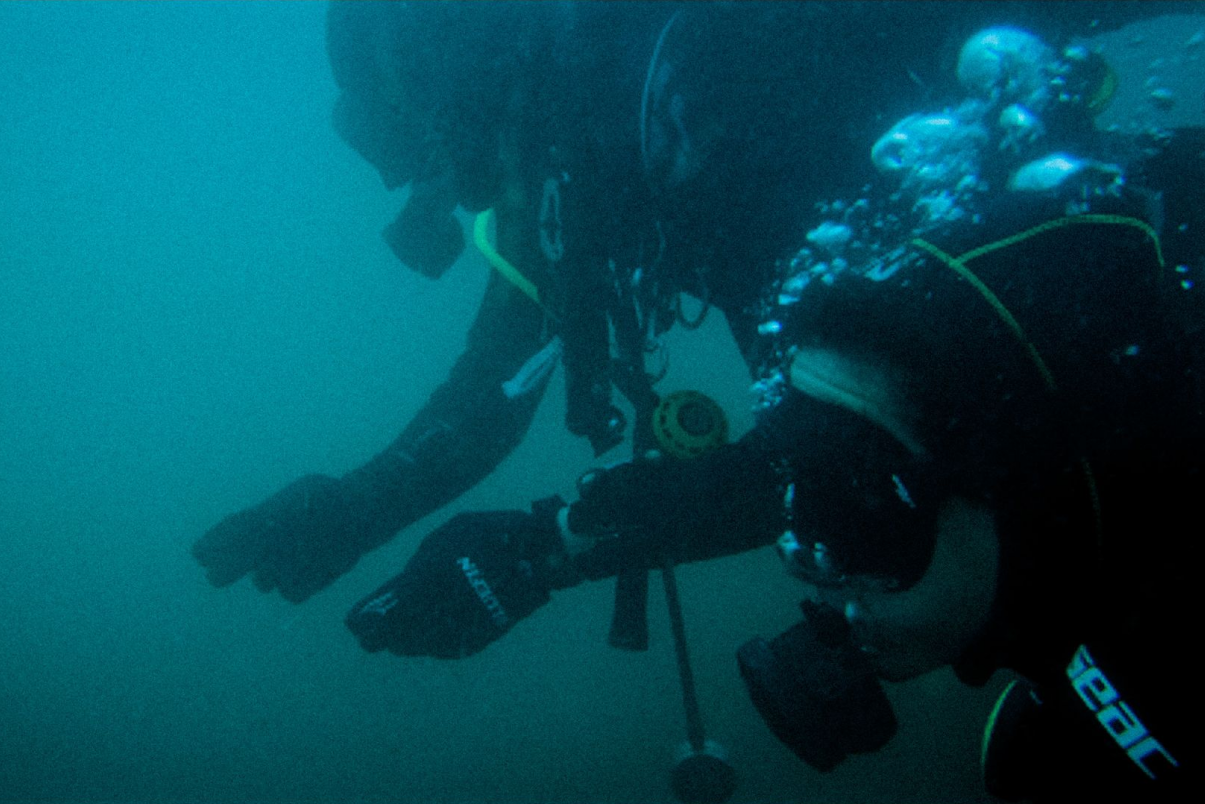
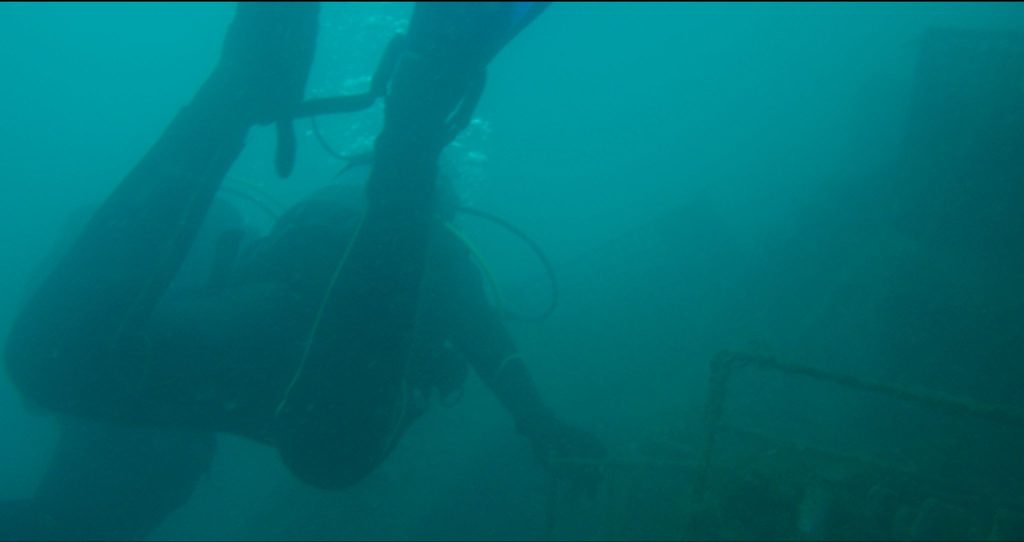
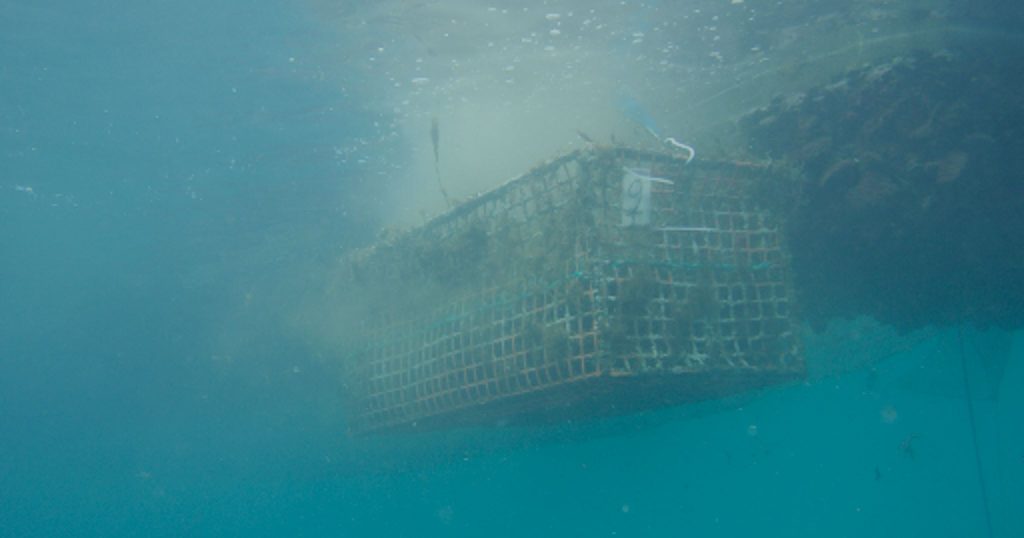
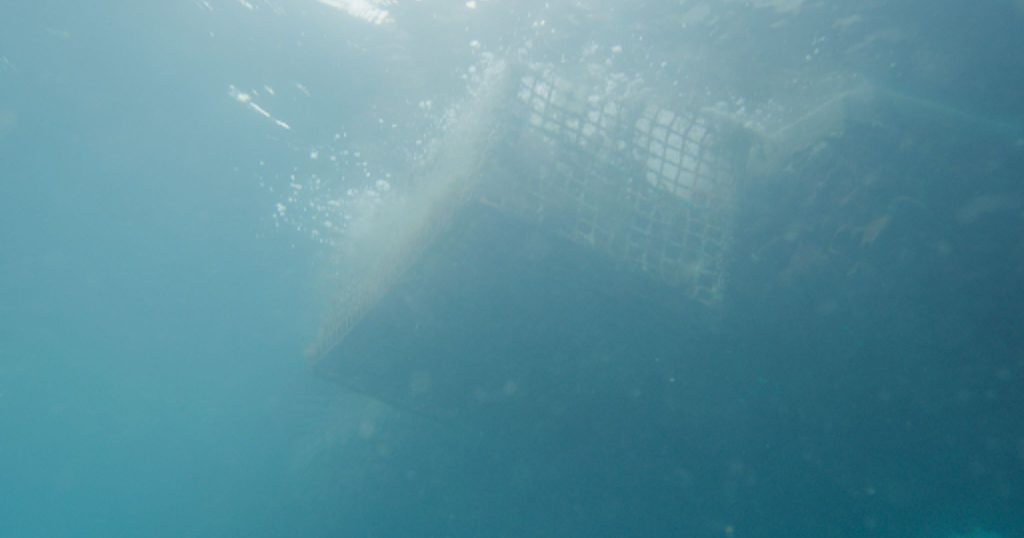
On the 7th of December, I drove down to dive the bottles. It was my first dive ever. I first practiced with the oxygen bottle for a few minutes and was ready to go. The cases dropped with a rope to 10 meters deep. I depressurized once and let myself be taken by the weight of the bottles to the rock where they would rest for the next year. I stayed underwater for 26 minutes, where I got to know the surrounding environment. We filmed this dive, though I certainly will never forget it. A few images and clips of it can be seen here.
DaRe to be a Port Lover? Subscribe to stay up to date with our news
By subscribing you agree to the privacy policy
Manage Consent
To provide the best experiences, we use technologies like cookies to store and/or access device information. Consenting to these technologies will allow us to process data such as browsing behavior or unique IDs on this site. Not consenting or withdrawing consent, may adversely affect certain features and functions.
Functional
Always active
The technical storage or access is strictly necessary for the legitimate purpose of enabling the use of a specific service explicitly requested by the subscriber or user, or for the sole purpose of carrying out the transmission of a communication over an electronic communications network.
Preferences
The technical storage or access is necessary for the legitimate purpose of storing preferences that are not requested by the subscriber or user.
Statistics
The technical storage or access that is used exclusively for statistical purposes.The technical storage or access that is used exclusively for anonymous statistical purposes. Without a subpoena, voluntary compliance on the part of your Internet Service Provider, or additional records from a third party, information stored or retrieved for this purpose alone cannot usually be used to identify you.
Marketing
The technical storage or access is required to create user profiles to send advertising, or to track the user on a website or across several websites for similar marketing purposes.
Subscribe to stay updated about future events and other premium informations.Subscreva para se manter a par de eventos futuros e outras informações importantes.
Thank you
Your subscription request was registered successfully.
You can unsubscribe at any time.